

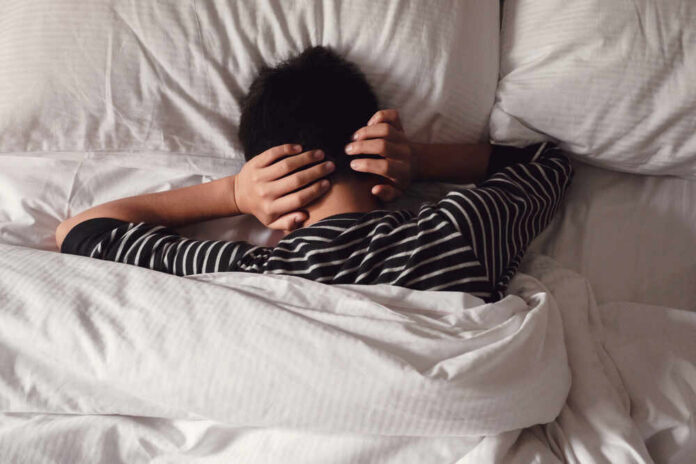
Your bedroom sanctuary might be harboring a silent saboteur that transforms restful nights into restless battles, and it’s probably been right under you for years.
Story Snapshot
- An aging or unsupportive mattress tops the list of overlooked sleep disruptors, outpacing stress and screen time in impact
- Research shows 30-40% of poor sleep stems from bedding issues compared to just 7-10% from electronic devices
- The mattress-in-a-box boom and post-pandemic focus on home environments have spotlighted bedroom conditions as critical sleep factors
- Sleep retailers claim worn mattresses cause 25-30% of disruptions through sagging support and pressure points
- The $100 billion global sleep market increasingly emphasizes environmental factors over traditional culprits like caffeine or anxiety
The Foundation Beneath Your Sleepless Nights
Everyone blames the glowing rectangle in their hand for another night of tossing and turning. The wellness industrial complex has convinced millions that blue light filters and digital detoxes hold the keys to better rest. Yet the actual culprit often sits directly beneath your body for eight hours each night, silently undermining every sleep hygiene habit you’ve adopted. That expensive weighted blanket and white noise machine cannot compensate for a mattress that has surrendered its structural integrity years ago, creating pressure points that trigger micro-awakenings throughout the night.
How a Retail Revelation Exposed a Hidden Truth
The direct-to-consumer mattress revolution of the 2010s accomplished something unexpected beyond disrupting traditional retail models. Companies shipping compressed beds in boxes forced consumers to confront an uncomfortable reality about their existing sleep surfaces. Comfort Sleep Systems and similar retailers began publishing content that challenged the screen-centric narrative dominating sleep advice. Their research, while commercially motivated, aligned with ergonomic studies dating back to the 1950s linking mattress quality to sleep outcomes. The pandemic amplified this focus as people spent unprecedented hours in their bedrooms, making environmental factors impossible to ignore.
The Numbers Tell a Different Story Than Headlines
Studies from 2018 revealed a striking disparity that most sleep advice overlooks. Between 30-40% of poor sleep quality traces directly to bedding problems, while screens contribute roughly 7-10% to sleep disruption. This tenfold difference exposes a significant gap between popular perception and measurable reality. Sleep retailers claim that mattresses older than seven years lose the support necessary for maintaining proper spinal alignment during REM cycles. The sagging and compression create inflammation-triggering pressure points that the brain registers as discomfort, pulling sleepers toward wakefulness even when mental stress remains low and phones stay powered down in another room.
Why This Matters More Than Another Wellness Trend
The shift from pharmaceutical solutions and stress management to environmental factors represents a practical pivot for the 40% of adults experiencing chronic poor sleep. Replacing a worn mattress offers tangible results without the complexity of cognitive behavioral therapy or the side effects of sleep medications. The $15 billion U.S. mattress market has grown partially because consumers recognize this straightforward cause-and-effect relationship. Skeptics rightfully note that genetics account for roughly 50% of sleep quality variability, and retailer-sponsored content carries inherent bias. Yet even accounting for commercial motivations, the fundamental physics of deteriorating support structures remain sound.
The Unsexy Truth About Sleep Optimization
Americans love technological solutions and dramatic lifestyle overhauls. Tracking REM cycles with wearables feels more sophisticated than acknowledging your sleep surface resembles a hammock after years of compression. The marketplace has responded with AI-enhanced mattresses and temperature-regulating fabrics, but these innovations mean nothing atop a foundation that lost its integrity during the Obama administration. A supportive mattress costs less than a year of melatonin supplements and sleep tracking subscriptions combined, yet delivers measurable improvements that apps and pills cannot replicate.
Sources:
5 Hidden Culprits: Common Sleep Disrupters You Might Be Ignoring