

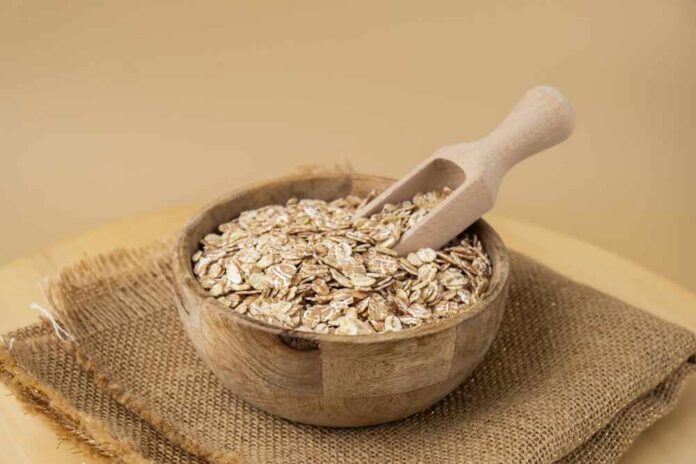
The humble oat, sitting quietly in your pantry, might be the most powerful tool you have for preventing both heart disease and gut dysfunction—a dual benefit most superfoods can’t match.
Story Snapshot
- Oats contain beta-glucan, a soluble fiber that feeds beneficial gut bacteria while simultaneously lowering bad cholesterol
- The gut microbiome directly influences cardiovascular health through short-chain fatty acid production and polyphenol digestion
- Daily oat consumption stabilizes blood sugar, reduces inflammation, and supports metabolic health beyond just heart and gut benefits
- Steel cut or slow-cooked oats provide maximum health advantages compared to instant varieties
The Gut-Heart Connection You Can’t Ignore
Your digestive system does far more than process food. The gut microbiome—that vast community of bacteria in your intestines—actively shapes your cardiovascular health. Beneficial bacteria produce short-chain fatty acids during digestion, compounds directly linked to reduced inflammation, improved metabolism, and better circulatory function. These same helpful microbes digest polyphenols, plant chemicals with antioxidant properties that can lower blood pressure. Meanwhile, harmful bacteria flourish on diets heavy in fat and red meat, churning out inflammatory chemicals that interfere with how your body processes cholesterol.
Why Oats Stand Apart From Other Health Foods
Salmon delivers omega-3s for your heart. Avocados provide monounsaturated fats. Beans offer fiber and folate. But oats accomplish something rare: they address both your cardiovascular system and your gut microbiome through a single compound called beta-glucan. This soluble fiber serves as prebiotic fuel, feeding the beneficial bacteria your gut needs to thrive. At the same time, it binds to cholesterol in your digestive tract, helping your body eliminate LDL cholesterol before it can clog your arteries. That dual action makes oats uniquely efficient for people trying to maximize health benefits without juggling dozens of specialty foods.
The Metabolic Benefits Beyond Heart and Gut
A warm bowl of oatmeal does more than comfort you on a cold morning. It keeps blood sugar levels stable over time, making it particularly valuable for people managing diabetes or trying to prevent it. The beta-glucan in oats slows digestion, preventing the blood sugar spikes and crashes that come from refined carbohydrates. Steel cut or slow-cooked oats provide the best results because their structure remains intact, forcing your digestive system to work harder and extending the release of glucose into your bloodstream. Instant oats, processed to cook quickly, lose much of this advantage.
What This Means for Your Daily Diet
Daily oat consumption offers immediate benefits including improved digestion, sustained energy throughout the morning, and better blood sugar control. Over months and years, regular intake may significantly reduce your cardiovascular disease risk while maintaining a diverse, beneficial gut microbiome. These aren’t minor concerns—heart disease remains a leading cause of death, and emerging research continues to reveal how gut health influences everything from immune function to mental health. Shifting toward whole-grain consumption like oats naturally moves your diet away from processed foods loaded with added sugars and saturated fats.
No single ingredient provides complete nutrition, and oats aren’t a magic bullet. A truly heart and gut-healthy diet requires variety: leafy greens, fatty fish, legumes, nuts, seeds, and other whole foods all play important roles. But if you’re looking for the most impactful single addition to your daily routine—something that delivers measurable benefits to both your cardiovascular system and your digestive health—oats deserve the top spot on your grocery list. The research from major healthcare institutions backs this up, and the simplicity of adding a morning bowl of oatmeal makes it one of the easiest preventative health measures you can adopt.
Sources:
Tasty super foods for gut and heart health – UCI Health
Foods to Save Your Heart – WebMD
Heart-Healthy Foods – Healthline
British Heart Foundation warns that many gut-friendly foods come with a heart health catch