

An 83-year-old Naples, Florida woman had three strokes before doctors found the real cause: the exact way she curled up in bed every night.
Quick Take
- Doctors at NCH Healthcare System linked Glenda Bridges’ three strokes to her nightly sleep position.
- She slept curled up on her right side, which pinched a blood vessel in her neck.
- Arthritis in her spine narrowed the space around the vessel, making the pinching worse.
- Wider research shows body position can affect blood flow, but doctors warn against treating one case as a rule for everyone.
A Mystery Traced to a Sleeping Habit
Glenda Bridges, 83, lives in Naples, Florida. She suffered three strokes, and each time doctors struggled to explain why. Her care team at NCH Healthcare System kept searching for a cause that fit her health history. Cardiologist Dr. Totoraitis eventually looked past standard risk factors and asked a simple question: how did she actually sleep at night?
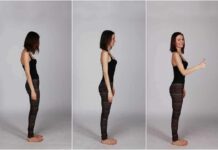
Bridges told her doctor she slept curled up in a fetal position, tucked onto her right side. That detail turned out to matter more than anyone expected. Dr. Totoraitis suspected the posture itself was choking off blood flow to her brain, a possibility most patients and even some doctors would never think to check.
How a Neck Artery Got Pinched
Doctors found that Bridges also has cervical spinal arthritis, which had narrowed the space around her neck bones over time. When she curled onto her right side, that narrowed space let one of her neck’s blood vessels get compressed. The pressure slowed blood flow and let it pool, setting the stage for clots to form.
“When she sleeps curled up like that, due to her cervical spinal arthritis and some narrowing, she was compressing one of her blood vessels,” Dr. Totoraitis explained. He said the pooling blood could form a clot that later traveled to her brain, triggering a stroke each time she woke up.
What the Science Says About Sleep and Stroke Risk
Body position and stroke risk are not brand-new ideas in medicine. Studies show that stroke patients often spend most of their sleep lying flat on their back, and that this position can affect breathing and blood flow, especially in people with sleep apnea. The American Heart Association notes that side-sleeping can help some people with apnea breathe easier at night.
Naples woman discovers sleep position linked to multiple strokes https://t.co/DSAq9NbyWQ via @YouTube
— J (@HereAlternative) July 22, 2026
Even so, researchers say the evidence linking sleep position to stroke risk is mixed. One review found conflicting results between studies on which position helps blood oxygen levels most after a stroke. Bridges’ case involved a specific combination of arthritis and posture, not a general rule that any one sleep position causes strokes in healthy people.
Her story still carries a clear lesson. Doctors say patients with neck or spine problems, or anyone with unexplained repeat strokes, should mention their sleep habits to a physician. A detail as small as how someone curls up at night helped solve a medical puzzle that standard tests alone could not.
Sources:
ummhealth.org, pmc.ncbi.nlm.nih.gov, aan.com, gulfcoastnewsnow.com, nchmd.org, flintrehab.com