

Your odds of a heart attack or diabetes may quietly shift every time you reach for nuts, vegetables, or whole grains—because of a plant compound you have never heard of but eat every day.
Story Snapshot
- A plant compound called phytosterol tracks with lower heart disease and diabetes risk in large population data [1][2]
- Phytosterol-rich foods also help lower “bad” LDL cholesterol, a major driver of artery damage [3][4][5]
- Natural foods like nuts, seeds, vegetable oils, whole grains, beans, fruits, and vegetables deliver phytosterols
- Smart eaters can use these foods to improve their odds without swallowing hype or expensive supplements
The quiet plant compound that shadows your risk
Researchers following thousands of adults found that people eating the most phytosterols from everyday plant foods were about 9 percent less likely to develop heart disease and 8 percent less likely to develop type 2 diabetes than those eating the least, even after adjusting for other factors [1][2]. That edge did not come from a miracle pill. It came from diet patterns heavy on plant foods—nuts, seeds, vegetables, fruits, and whole grains—eaten repeatedly over years, not weeks.
The same study highlighted beta-sitosterol, one particular phytosterol, showing similar associations with lower risk, while other sterols like campesterol and stigmasterol did not show the same pattern [1][2]. That detail matters. It hints that not all plant compounds are equal, and that food choices—what you actually put on your plate—shape which sterols dominate your bloodstream and how your metabolism responds over time.
Why cholesterol still calls the shots after age 40
Phytosterols do not work by magic; they work through plain chemistry. In the intestine, they compete with cholesterol for absorption, displacing it from the “micelles” that shuttle fats into the body and pushing more cholesterol out in your stool [3]. Controlled clinical trials repeatedly show that about 2 grams per day of phytosterols can lower low-density lipoprotein (LDL) cholesterol by roughly 8 to 10 percent [3][4][5]. That is the same ballpark as a modest dose of some older cholesterol drugs.
Cardiology societies in Europe acknowledge this and now mention phytosterol-enriched foods as an optional helper for people whose LDL cholesterol remains above goal despite basic lifestyle changes [4][5]. Start with healthy eating and activity, add tools that clearly nudge risk factors in the right direction, and keep the big guns, like prescription drugs, for those who truly need them. No ideology, just math on what lowers artery-damaging cholesterol.
From lab markers to real-world disease: what we know and what we do not
The new observational study goes beyond cholesterol. Higher total phytosterol and beta-sitosterol intakes lined up with blood markers suggesting better insulin activity and lower inflammation, two pathways tied tightly to both diabetes and clogged arteries [1][2]. Those patterns fit other metabolomic work showing that sterol-rich diets shift clusters of metabolites connected to cardiometabolic risk [3][4]. That convergence is encouraging, but the design still observes rather than intervenes, so it cannot prove cause and effect.
Other evidence forces humility. A large Dutch cohort that tracked natural dietary phytosterol intake—mostly 80 to about 1,000 milligrams per day from regular foods—found no clear reduction in coronary heart disease, heart attacks, or total cardiovascular disease [3]. Review articles emphasize that, as of now, there is no long-term randomized trial showing that adding phytosterols to the diet directly cuts heart attacks or strokes [4][5]. The LDL reduction is solid; the “you will live longer” promise is not nailed down.
The foods that quietly stack the odds in your favor
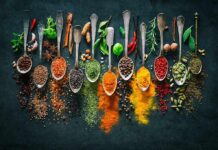
For a practical eater, the good news is you do not need to obsess over the word phytosterol to benefit from it. Foods richest in these compounds are exactly what most Americans over 40 need more of anyway. Nuts and seeds deliver substantial phytosterols along with fiber and healthy fats [2][3]. Vegetable oils such as canola, sunflower, and soybean oil are major contributors. Whole grains, especially wheat bran and rye, add another steady source [3]. Beans, fruits, and vegetables contribute smaller but meaningful amounts.
People who naturally eat more phytosterols usually eat fewer processed meats, fewer refined carbohydrates, and less added sugar [1][2][4]. They also tend to exercise more and smoke less. Some critics argue the phytosterol signal mostly reflects that broader lifestyle package [3][4]. That may be partly true, but from a self-reliance standpoint, that is not a bug—it is the point. You control that package every time you shop and cook.
Using phytosterols without falling for hype
Supermarket marketing turns anything with the word “sterol” into a halo product. Food manufacturers add plant sterols to spreads, yogurts, and snack bars, then price them like specialty drugs. Government regulators allow cautious health claims about phytosterols helping to lower coronary heart disease risk through LDL reduction, but they also require clear labeling of the needed dose and context [3][9]. That framework protects consumers against confusing cholesterol-lowering with guaranteed protection from heart attacks.
Evidence on safety is largely reassuring for typical intakes, though older literature raised questions about extremely high sterol levels in rare genetic conditions [4][6]. For most people, the most grounded approach is simple: let natural foods do most of the work, and view fortified products as optional tools if you and your doctor are targeting a specific LDL number. That respects both the science and your wallet while avoiding faith in any single “superfood” to rescue an otherwise reckless lifestyle.
Sources:
[1] Web – Phytosterols in plant-based foods linked to lower risk of heart …
[2] Web – Plant-rich diet may help lower diabetes and heart disease risk
[3] Web – Phytosterols | Linus Pauling Institute | Oregon State University
[4] Web – Phytosterols and Cardiovascular Disease – PMC – NIH
[5] Web – Commentary on Phytosterol-added Foods – EAS
[6] Web – Eating more phytosterols could lower your risk of heart disease and …
[9] Web – Phytosterols in the Treatment of Hypercholesterolemia and … – PMC