
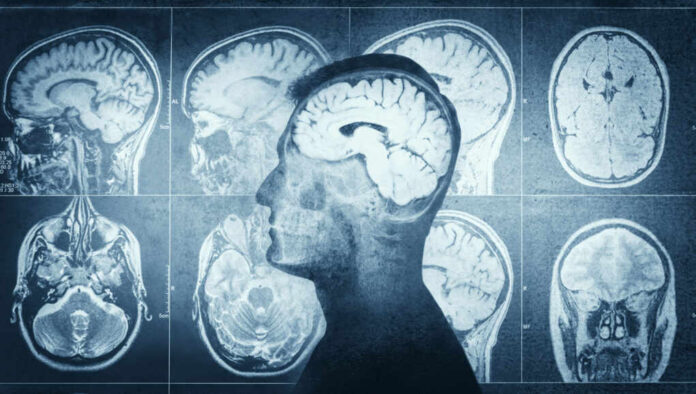
Fecal transplants from young donors dramatically sharpened memory in Alzheimer’s patients, outpacing diets and probiotics in a groundbreaking review of human trials.
Story Snapshot
- Systematic review of 15 clinical trials with 4,275 adults aged 45+ showed gut interventions boost cognition via microbial diversity and short-chain fatty acids.
- FMT delivered fastest, most pronounced gains, especially in early cognitive decline, with five patients improving on memory tests after one treatment.
- Diets like Mediterranean and ketogenic, plus probiotics, yielded slower benefits, strongest in mild cases before advanced dementia sets in.
- Drug-free gut-brain axis tuning offers hope amid rising dementia rates, but larger RCTs needed for FMT safety and longevity.
Human Trials Reveal Gut Interventions’ Cognitive Power
Researchers synthesized 15 randomized controlled trials from 2012 to 2025 across Europe, Asia, North America, and the Middle East. These studies enrolled 4,275 adults over 45 with cognitive impairment, dementia risk, or early dementia. Interventions targeted the gut microbiome to influence brain health through the gut-brain axis. Microbial diversity rose alongside short-chain fatty acid production, enhancing memory, executive function, and global cognition. Early-stage patients saw the greatest improvements, aligning with values prioritizing preventive, natural health strategies over pharmaceuticals.
FMT Stands Out for Rapid Microbial Shifts
Fecal microbiota transplantation outperformed dietary and supplement approaches. In a small Alzheimer’s study, five patients received a single FMT from healthy donors. They showed marked improvements in memory and attention tests shortly after. FMT triggered swift changes in bacterial richness and lipid metabolism genes, unlike slower effects from probiotics or diets. Review authors noted its pronounced microbial shifts, though long-term stability remains uncertain due to small, uncontrolled samples.
Stanford researchers complemented this with mouse models identifying Parabacteroides goldsteinii overgrowth in aging guts. This bacterium produces inflammatory fatty acids that impair hippocampal memory via myeloid cells and vagus nerve disruption. Vagus activation reversed declines, suggesting mechanistic overlap with human findings.
Dietary and Supplement Strategies Build Foundations
Mediterranean and ketogenic diets increased SCFA producers like Faecalibacterium and Akkermansia muciniphila, fortifying gut barriers and curbing neuroinflammation. Probiotics, prebiotics, omega-3s, and synbiotics followed, modestly elevating diversity and cognition. Ketogenic approaches strengthened gut integrity, producing neuroprotective GABA. These accessible methods suit early intervention, empowering individuals with lifestyle control—a pillar of self-reliant American conservatism. Benefits faded in advanced dementia, underscoring timing’s role.
Pre-2020 observations linked dysbiosis—low SCFAs, LPS leakage, and pathogens like Ruminococcus gnavus—to cognitive woes. A 2020 review advocated probiotics, FMT, exercise, and high-fiber intake to quell inflammation, setting the stage for later RCTs.
Uncertainties and Path Forward
Experts caution FMT’s promise rests on preliminary data; the n=5 study lacked controls, and high-fiber lacks direct cognition proof. Advanced Alzheimer’s proved unresponsive, favoring early action. Ongoing calls seek large-scale RCTs for standardization. Predictive models blending microbiota, diet, and microRNAs detect mild cognitive impairment with 91% accuracy. This drug-free frontier could slash dementia’s trillion-dollar burden, promoting fiscal responsibility through root-cause fixes over symptom management.
Sources:
Your Gut-Brain Link May Offer a New Way to Fight Cognitive Decline
Boosting good gut bacteria population through targeted interventions
Stanford Medicine news on gut-brain cognitive decline
Gut microbiome changes improve memory in early cognitive decline
PMC article on gut strategies for cognitive impairment
Frontiers in Aging Neuroscience scoping review
Gut microbiome may provide path for early dementia detection