

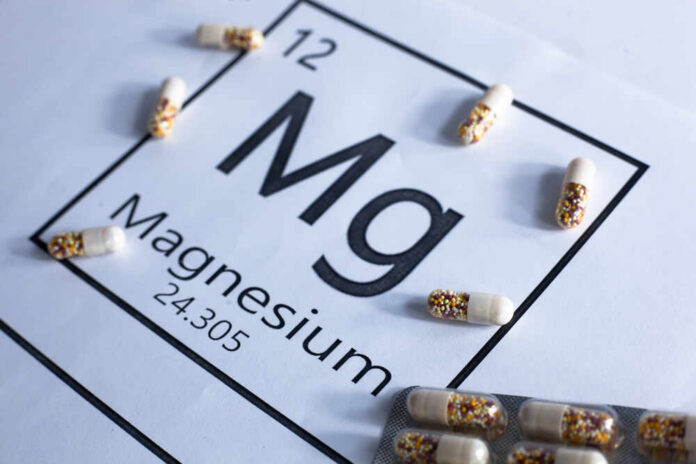
Low magnesium levels in your blood could silently fuel diabetic retinopathy, robbing type 2 diabetes patients of their vision—yet a simple fix might stand between clarity and blindness.
Story Snapshot
- A meta-analysis of 17 studies with over 2,200 type 2 diabetes patients links lower serum magnesium to diabetic retinopathy, especially advanced proliferative stages.
- Magnesium supports insulin signaling, glucose metabolism, vascular health, and inflammation control, positioning deficiency as a key risk factor.
- Preventive steps like dietary magnesium boosts offer low-risk protection against vision loss complications.
- Consistent findings across studies, regions, and tests strengthen the association, though causation remains unproven without randomized trials.
Meta-Analysis Reveals Magnesium-Retinopathy Link
Researchers analyzed 17 studies encompassing more than 2,200 type 2 diabetes patients. Those with diabetic retinopathy showed significantly lower serum magnesium levels than those without the condition. Proliferative diabetic retinopathy patients, in the advanced stage, exhibited the lowest levels. This pattern held firm across diverse study designs, regions, and rigorous sensitivity tests. The meta-analysis, published in Nutrients, underscores magnesium’s critical functions in insulin signaling and glucose metabolism.
Diabetic Retinopathy Damages Retinal Vessels
Chronic hyperglycemia in type 2 diabetes targets small retinal blood vessels, causing diabetic retinopathy. This condition progresses to diabetic macular edema in about 7.4% of cases, leading to central vision loss through vascular leaks and swelling. Magnesium deficiency worsens ischemia and hypoxia by impairing ATP processes, endothelial function, and blood vessel relaxation. A 2022 Frontiers in Medicine study confirmed lower magnesium in diabetic macular edema subgroups among retinopathy patients.
Historical Ties Between Magnesium and Eye Health
Magnesium deficiency disrupts ionic balance, raising intracellular calcium and sodium while dropping potassium. This hampers ATPase enzymes, contributing to cataracts and glaucoma vasospasm. Animal research from the 1990s connected low magnesium to retinal damage, pigmentary degenerations like retinitis pigmentosa, and oxidative stress. Pre-2022 studies flagged low magnesium in retinopathy and macular edema, building toward the recent synthesis.
Biological Mechanisms Explain the Connection
Magnesium acts as a calcium antagonist, stabilizing visual fields in conditions like glaucoma and retinitis pigmentosa. Hypomagnesemia fuels endothelial inflammation and vasospasm, accelerating vascular damage in diabetic eyes. The highest magnesium quartile in one study cut diabetic macular edema risk with an odds ratio of 0.294. These pathways align with magnesium’s roles in curbing inflammation and supporting vascular integrity, making deficiency a plausible accelerator.
Practical Steps for Diabetes Patients
Type 2 diabetes patients face 35.4% diabetic retinopathy prevalence, threatening reading and driving. Short-term actions include blood magnesium tests and dietary increases from foods or supplements—low-risk moves backed by the evidence. Long-term, causal proof could slash progression rates and treatment costs.
Sources:
Low Magnesium Could Be Linked To This Vision-Related Condition, Study Shows
Frontiers in Medicine study on magnesium and diabetic macular edema
PubMed abstract on magnesium in ocular health
Magnesium Effect on Ocular Health as a Calcium Channel Antagonist
Why Magnesium is Essential for Healthy Vision