
Your stomach trouble today might be whispering secrets about your brain’s fate decades from now.
Story Snapshot
- IBS patients show 82% vitamin D deficiency rates versus 31% in healthy controls, revealing a critical overlap that may predict neurodegenerative disease risk
- Type 2 diabetes diagnosed 10-15 years before Alzheimer’s shows the strongest predictive association, suggesting metabolic dysfunction drives brain decline over decades
- Researchers now view Alzheimer’s and Parkinson’s as “the end stage of a decades-long, body-wide process” rather than isolated brain diseases
- The gut-brain axis, containing the body’s second-largest collection of neurons, may serve as an early warning system for cognitive decline
- Vitamin D influences multiple pathways affecting brain health, including serotonin production, immune signaling, and gut barrier integrity
When Your Gut Becomes a Crystal Ball
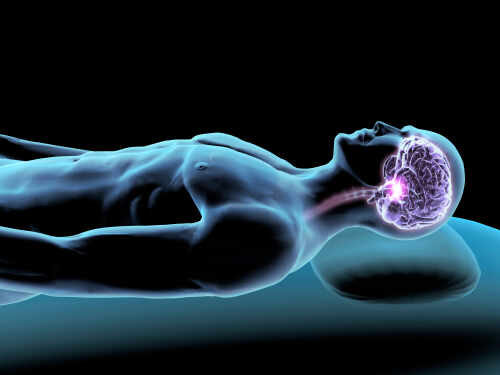
The enteric nervous system houses the second largest collection of neurons outside your skull. When this gut-brain axis malfunctions, it triggers more than digestive distress and mood swings. Recent meta-analyses reveal that IBS patients face a relative risk of 1.78 for vitamin D deficiency compared to healthy individuals. This overlap appears far from coincidental. The same disruptions causing intestinal chaos may be silently setting the stage for neurological catastrophe years before the first memory lapses emerge.
The Metabolic Time Bomb Nobody Notices
Type 2 diabetes operates on a sinister timeline. The strongest predictive link between diabetes and Alzheimer’s emerges 10 to 15 years after diabetes diagnosis. This window reveals something profound: your metabolic state today doesn’t just affect your blood sugar tomorrow. It’s programming your neurological destiny for decades ahead. More severe diabetes cases and thyroid hormone imbalances correlate with Parkinson’s disease risk, demonstrating that systemic dysfunction respects no organ boundaries. The body operates as an integrated system where metabolic chaos eventually reaches the brain.
The Vitamin D Deficiency Enigma
Vitamin D deficiency afflicts 82% of IBS patients but only 31% of healthy controls. This stark disparity demands explanation. Vitamin D influences antimicrobial peptides, serotonin-related genes, gut microbiome composition, immune signaling, and gut barrier integrity. In IBS patients with diarrhea, lower vitamin D levels correlate with higher somatization scores, elevated serotonin, increased brain-derived neurotrophic factor concentrations, more severe abdominal pain, and longer pain duration. The vitamin operates through multiple pathways, upregulating monoamine oxidase expression and enhancing serotonin reuptake transporter expression in brain neurons.
What Supplementation Actually Accomplishes
Vitamin D supplementation improves IBS symptoms including bloating, flatulence, abdominal pain, and constipation. Cell line studies suggest vitamin D may reduce oxidative stress and markers of neurodegeneration. Yet researchers caution that direct clinical relevance remains uncertain. Mental health outcomes complicate the picture further. Research from 2022 established connections between vitamin D deficiency and depression and anxiety, conditions also linked to IBS. IBS patients exhibit elevated psychological comorbidities, increased somatization, and decreased work productivity, creating a web of interconnected systemic dysfunction.
Rethinking Disease as Systemic Failure
Dr. David Perlmutter emphasized how clearly the research links systemic disorders, particularly those tied to the gut-brain axis, with neurodegeneration risk years before diagnosis. Alzheimer’s and Parkinson’s represent the endpoint of decades-long, body-wide deterioration. This perspective fundamentally challenges conventional medical thinking. Rather than treating isolated diseases, experts now advocate maintaining metabolic, endocrine, and gut health as brain protection strategies. Clinicians and individuals should monitor thyroid status, blood sugar control, vitamin levels, and digestive health as early warning indicators instead of waiting for symptoms.
The Intervention Window Nobody Exploits
Dr. McCann observed that genes don’t dictate brain health alone. Nutrition, metabolism, and the gut-brain connection play crucial roles, and combining these features could enable earlier detection of neurodegenerative conditions. Early identification of metabolic and gastrointestinal dysfunction creates opportunities for preventive interventions decades before neurodegenerative disease onset. The critical intervention window for type 2 diabetes patients extends across the 10 to 15 years following diagnosis. Healthcare systems could integrate gastrointestinal, endocrine, and nutritional assessment into neurological risk stratification, potentially reducing neurodegenerative disease incidence through early metabolic intervention.
What Science Still Cannot Explain
Causality versus correlation remains unestablished for vitamin D deficiency and IBS. The theoretical link through immune response alterations lacks definitive clinical study validation explaining pathological mechanisms. Cell-based studies showing neuroprotective effects require validation through animal models and human trials. Long-term outcomes of vitamin D supplementation in preventing neurodegeneration need further investigation. The specific mechanisms linking metabolic dysfunction to neurodegeneration decades later remain unclear. Scientists acknowledge robust associations between systemic conditions and neurodegeneration risk, but mechanistic understanding and clinical intervention efficacy demand continued investigation through longitudinal human studies.
Sources:
IBS, vitamin D deficiency may predict Alzheimer’s, Parkinson’s disease
Vitamin D and IBS: Clinical evidence and mechanisms
IBS, vitamin D deficiency may predict Alzheimer’s, Parkinson’s disease
IBS and Vitamin D Deficiency Often Overlap
Vitamin D deficiency in irritable bowel syndrome: prevalence and association
Link Between Gut Symptoms and Vitamin D, Serotonin and Neurotrophic Factor Levels in IBS-D Patients
Vitamin D and IBS: Is There a Connection?