
That low-carb diet you’ve been following might be silently sabotaging your heart, unless you’ve figured out the one critical factor that separates protection from peril.
Story Snapshot
- A 30-year Harvard study of nearly 200,000 people reveals low-carb and low-fat diets only protect your heart when built around plant-based foods, whole grains, and unsaturated fats
- Low-carb diets heavy in animal proteins and fats increase coronary heart disease risk by 13 percent, while healthy versions reduce it by 15 percent
- The research analyzed over 20,000 heart disease cases and measured 300-plus metabolites to validate findings
- Food quality trumps macronutrient ratios, ending decades of low-carb versus low-fat debates
- Both diet approaches share the same heart-protective pathways when emphasizing whole foods over processed alternatives
The Quality Revolution That Changes Everything
Harvard researchers tracked health professionals and nurses for three decades, documenting what they ate and who developed heart disease. The results published in the Journal of the American College of Cardiology demolish conventional wisdom about dieting. Lead author Zhiyuan Wu designed scoring systems that separated healthy from unhealthy versions of popular diets, and the differences proved stark. Participants following plant-forward low-carb or low-fat patterns slashed their coronary disease risk by approximately 15 percent. Those who loaded up on refined carbohydrates or animal-based proteins saw their risk climb, with unhealthy low-carb eaters facing a 13 percent increase.
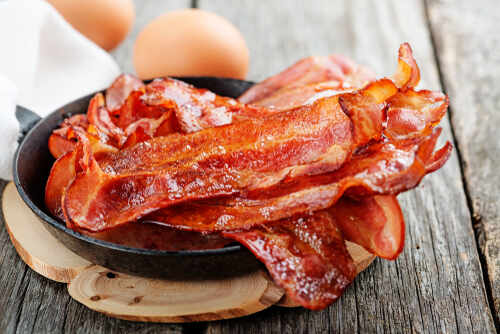
Why Your Bacon-and-Butter Diet Fails the Heart Test
The keto craze and paleo movement sold Americans on cutting carbs while piling on meat, cheese, and saturated fats. This study exposes that approach as dangerous. Researchers examined metabolomic biomarkers in blood samples, measuring over 300 metabolites that reveal how food affects your body’s chemistry. Healthy low-carb dieters showed higher HDL cholesterol, lower triglycerides, and reduced inflammation markers. The bacon-heavy crowd showed the opposite pattern, with metabolic signatures pointing toward cardiovascular trouble. The science confirms what common sense suggests: replacing bread with ribeye steaks does not constitute health improvement, regardless of what Instagram influencers claim.
The Plant-Based Secret Both Camps Share
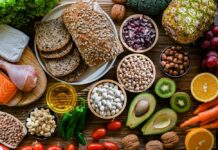
Here’s where the research gets fascinating. Both healthy low-carb and healthy low-fat diets protected hearts through identical biological pathways, despite opposite macronutrient compositions. Wu emphasized that food quality matters most, not whether you count carbs or fats. Whole grains, nuts, legumes, vegetables, and unsaturated oils formed the foundation of protective eating patterns. Even healthy low-fat diets incorporating some animal products showed benefits, though not as pronounced. The Mediterranean and DASH diets, which emphasize similar whole-food principles, align perfectly with these findings. This convergence suggests nutrition science finally moved beyond tribal diet wars toward practical wisdom.
What This Means for Your Dinner Plate Tonight
The American College of Cardiology published this research to shift clinical guidance from macronutrient obsession toward quality assessment. Editor-in-Chief Harlan Krumholz stated the findings should end debates over carb and fat percentages. For anyone concerned about heart health, the prescription becomes straightforward: choose minimally processed plant foods regardless of your preferred diet structure. Swap white bread for quinoa, trade butter for olive oil, replace ground beef with lentils. The flexibility matters because sustainable eating aligns with personal preferences. You can protect your heart following either low-carb or low-fat principles, provided you build meals around nutrient-dense whole foods rather than processed substitutes.
The Food Industry Problem Nobody Wants to Address
This research threatens profitable business models built on low-carb processed foods. Manufacturers reformulated thousands of products to remove carbs while adding questionable fats, proteins, and chemical additives. Consumers bought these items believing “low-carb” automatically meant “healthy.” The Harvard findings expose that deception. Wu noted the results partially align with U.S. Dietary Guidelines emphasizing whole foods, though they diverge on animal protein and dairy recommendations. The tension between public health guidance and industry interests creates confusion that harms Americans following advice from marketing departments rather than research institutions. The solution requires individual responsibility: read ingredient lists, cook real food, and ignore health claims on packages.
Wu plans to extend this research into genetics and gut microbiome analysis, pursuing personalized nutrition recommendations. For now, the message remains universal: heart disease remains America’s leading killer, and dietary choices either accelerate or prevent that outcome. The 20,033 coronary disease cases documented in this study represent real people who suffered because nutrition messaging prioritized simplicity over accuracy. Three decades of data and metabolomic validation provide clarity that should inform your next grocery trip. Whether you prefer low-carb or low-fat eating, the path to cardiovascular health runs through produce aisles and bulk bins, not through meat counters and snack food displays promising quick fixes.
Sources:
A Low-Carb Diet May Be Destroying Your Heart After All – Men’s Health
Both Low-Fat and Low-Carb Diets Tied to Less Heart Disease – TCTMD
Low-carb versus low-fat diet debate misses the mark on heart health – STAT
Low-Carbohydrate and Low-Fat Diets and Cardiometabolic Health – PubMed