
The fastest way to make perimenopause feel less like a daily ambush is to change what’s on your plate before you change anything else.
Quick Take
- Mediterranean-style eating shows up again and again as the most practical, sustainable “default” for perimenopause.
- Fruit-forward, fiber-rich days correlate with fewer hot flashes and night sweats compared with higher-fat, higher-sugar patterns.
- Protein, omega-3s, and whole grains protect muscle, mood, and steadier blood sugar when hormones stop playing nice.
- Calcium plus vitamin D matters more now because bone losses accelerate during this transition.
- Soy can help some women, but dosage and consistency matter more than hype.
Perimenopause Isn’t Just Hormones; It’s a Metabolic Speed Bump
Perimenopause changes the rules quietly: sleep gets choppy, stress tolerance shrinks, and weight can creep in without any “extra” eating. Food can’t erase fluctuating estrogen, but it can reduce the collateral damage—blood sugar spikes, inflammation, and cravings that snowball into fatigue. The smart strategy looks boring on paper and powerful in real life: build meals that keep you full, keep you steady, and keep your heart and bones protected.
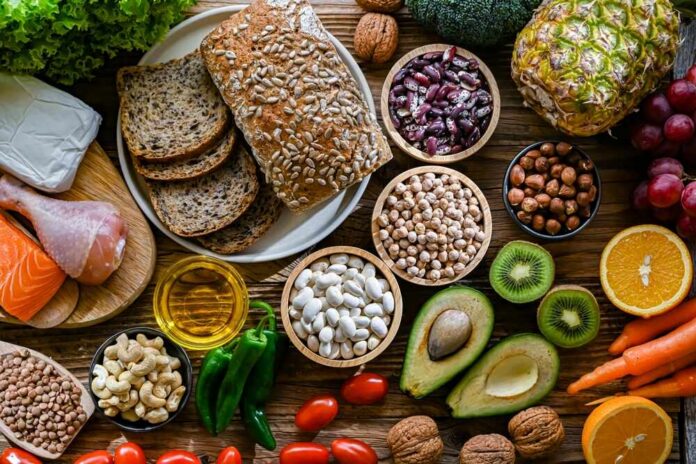
Mediterranean-style eating fits that mission because it isn’t a gimmick diet; it’s a structure. Think: plants first, protein at every meal, fats from fish and olive oil, and grains that still look like grains. For readers who want a simple “tell me what to do,” this is it: design a plate you can repeat on your busiest Tuesday, not your most motivated Monday.
Fruits and Vegetables: The Hot-Flash “Insurance Policy” Few People Use
Fruit and vegetables do more than “add nutrients.” They deliver fiber and antioxidants that support heart health and blood pressure—issues that rise in importance as estrogen’s protective effects wane. Research linking higher fruit intake with fewer hot flashes and night sweats should get your attention because it points to a lever you control daily. A bowl of berries, a sliced mango, or melon after dinner beats white-knuckling symptoms later.
Vegetable choice matters. Cruciferous vegetables—broccoli, cauliflower, kale, cabbage—contain compounds associated with supporting estrogen metabolism pathways, and they pull double duty as high-volume foods that help control appetite. Leafy greens bring minerals and contribute calcium, which becomes a bigger deal when bone density starts slipping. If you only upgrade one habit, make “something green twice a day” non-negotiable.
Protein: The Quiet Guardrail Against Midlife Muscle Loss
Muscle doesn’t just help you look toned; it stabilizes glucose, supports joints, and keeps your metabolism from slowing further. Perimenopause often coincides with reduced activity and poorer sleep—two muscle thieves. Adequate protein at breakfast and lunch prevents the classic late-afternoon crash that sends people hunting for sugar. Fish, poultry, eggs, Greek yogurt, beans, lentils, nuts, and tofu all count; consistency matters more than perfection.
Plant proteins bring a built-in advantage: fiber. Beans, chickpeas, and lentils can feel old-fashioned, but they solve multiple perimenopause problems at once—satiety, cholesterol support, and steadier energy.
Omega-3s and Whole Grains: Mood and Blood Sugar Get a Seatbelt
Perimenopause can amplify glucose swings, and those swings show up as irritability, shakiness, and the sense that your body “turns on you” at random. Whole grains—oatmeal, quinoa, brown rice, true whole-grain bread—slow digestion and keep energy from spiking and crashing. Pair them with protein and you get a calmer day: fewer cravings, fewer snack attacks, and a better shot at stable sleep.
Omega-3 fats add another layer of protection. Oily fish like salmon, sardines, tuna, and mackerel are the heavy hitters, while flax, chia, walnuts, soybeans, and certain oils offer plant-based options. The point isn’t trendy “anti-inflammatory” talk; it’s practical outcomes: better cardiovascular support and potential help with mood and night sweats. Aim for a weekly rhythm you can maintain, not a one-week cleanse.
Calcium, Vitamin D, and the Bone-Health Deadline You Didn’t Schedule
Bone health moves from “later problem” to “current project” during perimenopause. Calcium-rich foods—milk, yogurt, cheese, fortified alternatives, leafy greens, canned salmon or sardines with bones, tofu, and even white beans—become daily players. Vitamin D helps calcium absorption, and many dairy foods provide it naturally or through fortification. This isn’t fearmongering; it’s long-game thinking for staying independent and active.
Food-first makes sense, but it also reveals gaps. If you hate dairy, you’ll need an intentional plan—fortified beverages, tofu set with calcium, greens, and fish with bones—rather than hoping a multivitamin fixes everything. The strongest nutrition plan is the one you can execute when life gets chaotic, because perimenopause rarely arrives with a calm schedule.
Soy and Fiber: Where the Debate Gets Loud and the Details Matter
Soy earns attention because its isoflavones act like weaker plant estrogens, and studies show it can reduce hot flashes for some women. The fine print matters: benefits show up with steady intake and meaningful amounts, not random splashes of soy milk. Tofu, tempeh, edamame, and soy drinks can fit cleanly into a Mediterranean pattern, especially when they replace ultra-processed snacks, not when they get added on top.
Fiber ties the entire plan together by supporting gut health, weight management, and steadier mood. Guidelines commonly target about 30 grams daily, and most adults fall short. Add chia or flax to yogurt, choose oats over pastries, and keep beans in rotation. This approach aligns with plain practicality: fewer packaged foods, more real ingredients, and fewer excuses for feeling lousy.
Foods to limit deserve a clear boundary: saturated fat overload, added sugars, and alcohol can worsen symptoms and raise long-term health risks. That isn’t a moral lecture; it’s a cause-and-effect relationship many women notice immediately when sleep and heat spikes worsen after a couple drinks or a dessert-heavy week. Build your “yes” list first—plants, protein, omega-3s, whole grains, calcium—then your “no” list shrinks naturally.
Sources:
https://www.goodrx.com/well-being/diet-nutrition/foods-for-perimenopause
https://www.amymyersmd.com/blogs/articles/perimenopause-diet
https://zoe.com/learn/perimenopause-diet
https://www.aarp.org/health/conditions-treatments/diet-to-ease-menopause-symptoms/
https://www.eileenwestmd.com/blog/perimenopause-and-menopause-nutrition-tips/
https://pmc.ncbi.nlm.nih.gov/articles/PMC10780928/