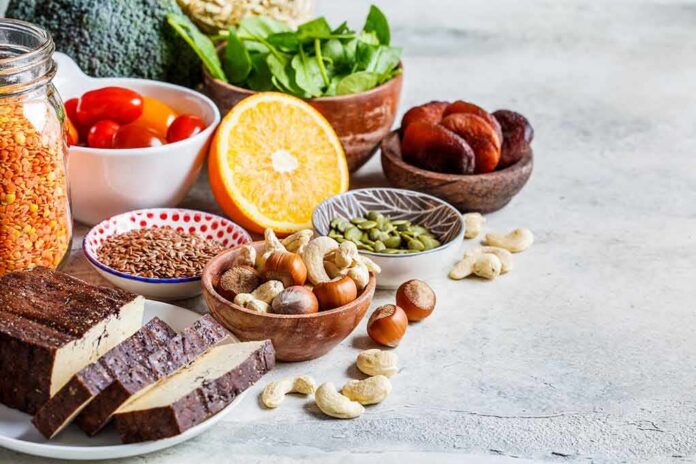
Swapping a bag of chips for a handful of walnuts and berries could do more for your liver than you think.
Quick Take
- Gastroenterologist Dr. Saurabh Sethi names seven snack combos he says support gut and liver health.
- The list leans on legumes, nuts, seeds, fruit, and plant proteins, foods already backed by major liver disease diet guidance.
- Mayo Clinic and the American Association for the Study of Liver Diseases recommend similar food groups for fatty liver disease.
- Sethi holds Harvard and Stanford training credentials and reaches a large social media audience.
What The Harvard-Trained Doctor Recommends
Dr. Saurabh Sethi, a gastroenterologist and hepatologist, posted a video ranking seven snacks he says help both digestion and liver function. The list includes apple slices with nut butter, hummus with raw vegetables, Greek yogurt with ground flaxseed, walnuts with berries, edamame, chickpeas, and chia pudding. He frames these as replacements for processed snack foods, not as medical treatments on their own.
Sethi’s professional background supports his standing to speak on the topic. His public profile lists gastroenterology and hepatology training tied to Harvard Medical School, along with advanced endoscopy training at Stanford and board certification in both specialties. Those credentials come from his own professional listings rather than an independent institutional confirmation specific to this video, though they match the general career path expected of a practicing liver specialist.
How The Advice Lines Up With Established Liver Guidance
The foods Sethi highlights are not random picks. Mayo Clinic’s guidance for metabolic dysfunction-associated steatotic liver disease, the condition formerly known as fatty liver disease, recommends at least three servings of legumes weekly, including soybeans and other beans, plus roughly four servings of nuts and seeds. Edamame, chickpeas, hummus, and walnuts fit squarely into those categories, giving the snack list real grounding in existing clinical nutrition advice rather than invented food science.
The American Association for the Study of Liver Diseases goes further, promoting a Mediterranean-style eating pattern built around vegetables, fruits, nuts, legumes, and plant or seafood proteins in place of red and processed meat. Britain’s National Health Service offers nearly identical advice for the same condition, telling patients to reach for fruit, vegetable sticks, or a handful of nuts between meals instead of biscuits, chocolate, or crisps. Sethi’s list mirrors that same basic swap, just packaged into specific, shareable combinations.
Where The Science Gets Thinner
The gap shows up in specificity. Clinical guidance supports broad food categories like legumes, nuts, and fruit. It does not rank seven precise snack pairings from best to worst, and no published trial has tested this exact combination list for gut or liver outcomes. Claims that chia pudding delivers eight to ten grams of fiber also depend on serving size and recipe, details that were not standardized in the video itself.
The advice also does not address who should avoid certain items. Nut allergies, soy sensitivities, lactose intolerance, diabetes medications, and advanced liver disease can all change whether a given snack is safe or helpful for a specific person. General wellness advice and treatment for diagnosed liver disease are not the same thing, and the video does not draw a clear line between the two.
Why Format And Framing Matter Here
A separate outlet covering Sethi’s recommendations listed different foods entirely, including paneer, avocado, and eggs, rather than the seven combinations in this particular video. That mismatch shows how easily short-form health content gets reshuffled as it spreads, which can blur which claims actually came from which source. Viewers deserve credit for seeking better snacks, but a ranked list delivered in a few minutes of video is not the same as a peer-reviewed dietary trial.
None of this means the advice is wrong. Eating more legumes, nuts, seeds, and fruit instead of processed snacks matches decades of dietary guidance for liver and metabolic health. The sensible takeaway is simple: these are reasonable everyday swaps worth trying, not a substitute for a doctor’s individualized plan if you already have diagnosed liver disease.
Sources:
youtube.com, mayoclinic.org, bedfordshirehospitals.nhs.uk, saurabhsethimd.com, liverlearning.aasld.org