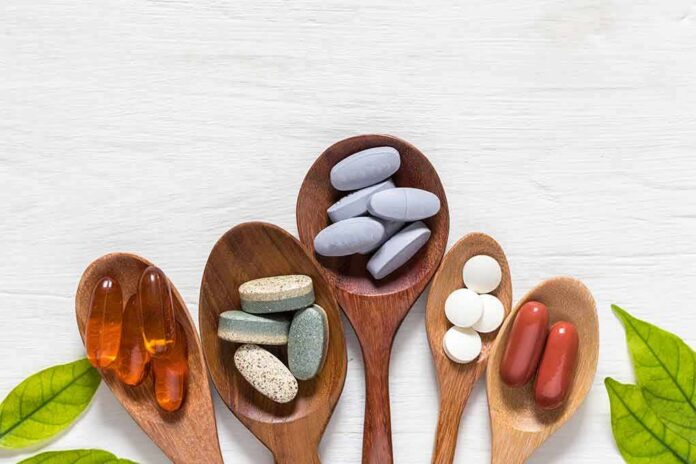
A new scientific review says three everyday nutrients working together might do more for your aging body than hitting the gym alone.
Story Snapshot
- A review published in a nutrition journal says collagen, vitamin C, and vitamin E may work together to support muscle, skin, blood vessels, and brain health as people age.
- Vitamin C has a proven, direct role in helping the body build collagen, the protein that holds skin, joints, and connective tissue together.
- Vitamin C can also help “recharge” vitamin E once it has done its job fighting cell damage, giving the two vitamins a built-in teamwork effect.
- Most of the research behind this idea comes from short studies or blood tests, not long-term trials proving it beats exercise on its own.
A Review Links Three Nutrients To Healthy Aging
Researchers behind a recent review looked at how collagen, vitamin C, and vitamin E might team up with regular exercise to slow down parts of aging. The review covers muscle loss, immune strength, blood vessel health, and brain function. It pulls together existing studies on each nutrient and asks whether combining them, alongside workouts, offers more protection than exercise by itself.
The idea has already spread on social media, where health-focused creators have pushed videos about vitamins that firm skin and smooth wrinkles. That buzz reflects real science, even if some online claims run ahead of what the data actually shows. The core biology, though, is well established and worth understanding on its own terms.
Why Vitamin C Is The Anchor Of This Trio
The National Institutes of Health states plainly that vitamin C is required for the body to build collagen, the protein that makes up skin, tendons, and joints. Collagen also plays a key role in healing wounds. Without enough vitamin C, the body simply cannot manufacture collagen properly, which is why scientists see it as the foundation nutrient in this three-part combination rather than just a helper.
Vitamin C does double duty by helping regenerate vitamin E after it neutralizes damaging molecules in the body’s cells and blood vessels. That recycling process means the two vitamins may work better as a pair than either does alone. Some studies cited in the review gave older women with age-related muscle loss doses of vitamin C and vitamin E alongside resistance training, and saw gains in arm muscle mass compared to exercise with a placebo.
What The Evidence Does Not Yet Show
Most studies examine collagen, vitamin C, and vitamin E separately instead of testing all three together as one combination. That leaves real uncertainty about whether combining them adds extra benefit beyond what each nutrient offers on its own. One clinical trial is currently testing hydrolyzed collagen paired with resistance exercise to measure its effect on the body’s collagen production in middle-aged adults, and another is studying vitamin C enriched collagen against whey protein and a placebo.
Vitamin E also deserves a caution most supplement bottles skip. Large studies have linked high-dose vitamin E to a higher risk of bleeding, especially above 1,000 milligrams a day or when mixed with blood thinners like warfarin. One widely cited trial of male smokers even found a higher rate of hemorrhagic stroke among those taking vitamin E supplements over several years. None of this cancels the nutrient’s role in the triad, but it means more is not automatically better.
For now, the honest takeaway is simple. Vitamin C’s role in collagen production is settled science, not a maybe. Pairing it with vitamin E and collagen supplements alongside a regular workout routine is a reasonable, low-risk bet for most healthy adults watching their muscle, skin, and vascular health. Just don’t expect it to replace the treadmill, and don’t assume a bigger dose means a bigger benefit. Talk to a doctor before stacking high-dose vitamin E with any blood thinner.
Sources:
mindbodygreen.com, ods.od.nih.gov, frontiersin.org, api.ods.od.nih.gov, pmc.ncbi.nlm.nih.gov, clinicaltrials.gov