

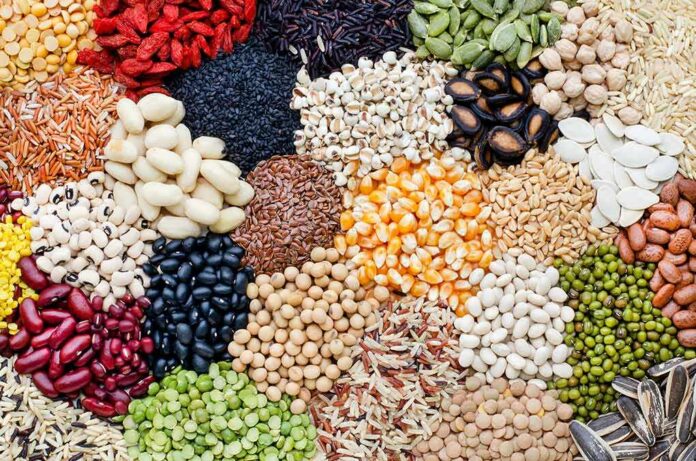
Eating a few extra servings of whole grains each day may improve a dozen different heart health markers at once, according to a massive new review of clinical trial data.
Quick Take
- A September 2026 review in the European Heart Journal pooled 87 clinical trials with 6,529 participants on whole grains and heart health.
- Researchers found the strongest benefits at 60 to 100 grams of whole grains a day, roughly four to six servings.
- High-certainty evidence showed drops in body weight, waist size, total cholesterol, and a key inflammation marker.
- Moderate-certainty evidence pointed to better LDL cholesterol, triglycerides, blood pressure, blood sugar, and insulin resistance.
A Massive Trial Review Points To A Specific Daily Amount
The review, led by researchers publishing in the European Heart Journal, did not rely on the usual observational surveys that just track what people say they eat. It pulled together 87 actual clinical trials involving 6,529 people. That is a large body of controlled evidence, and it let scientists spot a clear pattern. Benefits showed up starting around 30 to 40 grams a day, but climbed higher at 60 to 100 grams daily.
Translated into normal food terms, that upper range works out to about four to six servings of whole grains a day. Think a bowl of oatmeal, a slice of whole wheat bread, and a side of brown rice. CNN’s coverage of the findings framed it simply: three to six servings a day improved close to a dozen different health markers tied to heart disease risk.
What The Data Actually Showed Changing In The Body
The review graded its findings by confidence level, and the strongest results came in four categories. Researchers found high-certainty evidence that higher whole-grain intake lowered body weight, shrank waist circumference, reduced total cholesterol, and cut interleukin-6, a marker tied to inflammation in the body. Those four outcomes carry the most weight because so many trials agreed on them.
Beyond that top tier, the review also found moderate-certainty evidence for improvements in LDL cholesterol, triglycerides, systolic blood pressure, fasting blood sugar, and insulin resistance. That is a wide spread of risk factors, all moving in the same healthy direction as intake went up. It lines up with older research too. A 2016 dose-response analysis had already linked higher whole-grain intake to lower rates of coronary heart disease and cardiovascular disease.
One Honest Limit Worth Knowing
These trials measured risk markers like cholesterol and blood pressure, not whether people actually had fewer heart attacks or strokes. That distinction matters, and careful readers should keep it in mind before treating this as a guaranteed fix. Still, tracking a dozen markers moving together in the same favorable direction across dozens of trials is a strong signal, not a fluke.
Why The Serving Math Still Trips People Up
Nutrition science has a labeling problem, and this study is no exception. The 60 to 100 gram range refers to dry weight, which translates to roughly 115 to 190 grams once cooked, or about four to six servings. Different outlets have rounded that differently, some citing three servings, others six. That inconsistency is not a flaw in the science, just a reminder to check labels and portion sizes rather than eyeball it.
What This Means At The Kitchen Table
For everyday families, the takeaway is refreshingly simple. Swap white bread for whole wheat, choose oats over sugary cereal, and pick brown rice instead of white rice a few times a week. Hit four to six servings of true whole grains daily, and the trial evidence says the body responds across multiple fronts at once, from waist size to cholesterol to blood sugar control. That is a low-cost, low-risk change worth making regardless of politics or diet trends.
Eating four to six servings of whole grains a day may deliver meaningful benefits for heart health, according to a large review of 87 clinical trials. Researchers found improvements in body weight, waist size, blood pressure, cholesterol, blood sugar, trighttps://t.co/2Uo8evUIFR
— Michael W. Deem (@Michael_W_Deem) September 16, 2026
Eating more whole foods and fewer processed ones supports better health. This large trial review gives that instinct real scientific backing, grounded in randomized data rather than guesswork.
Sources:
sciencedaily.com, academic.oup.com, pmc.ncbi.nlm.nih.gov