

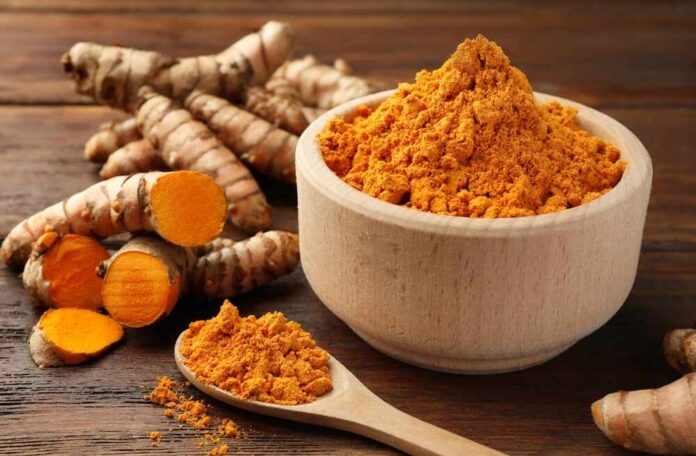
After years of Big Pharma hype and politicized “public health” messaging, a simple kitchen spice is showing real, measurable promise for easing PMS—without another top-down mandate telling women what they “must” take.
Story Snapshot
- Clinical trials and recent meta-analyses report curcumin (from turmeric) can reduce PMS symptoms, especially pain and mood-related complaints.
- Researchers link PMS severity to inflammation biomarkers, helping explain why an anti-inflammatory compound may help some women.
- Common study protocols use curcumin supplements (often with piperine/black pepper for absorption) for about 10 days each cycle.
- Evidence is promising but not definitive: trials are often small, product quality varies, and optimal dosing still needs larger studies.
What the Research Actually Says About Turmeric and PMS
Researchers have not pointed to a single “breaking” discovery, but the evidence base has grown steadily since studies connected PMS severity to inflammation. Multiple randomized controlled trials and newer reviews report symptom improvements with curcumin supplementation across several menstrual cycles. Reported benefits include reductions in physical discomfort and mood-related symptoms, though results vary across trials. Several reviews also emphasize that not every study finds a meaningful effect, underscoring the need for better standardization.
One reason turmeric headlines can get overhyped is that “turmeric” is not the same as “curcumin.” Many studies use concentrated curcumin, often in formulations designed to improve absorption, because curcumin on its own is poorly bioavailable. Popular summaries of the research highlight a cycle-timed approach used in trials: curcumin taken during the late luteal phase—roughly the week before menstruation—and sometimes continuing into the first days of bleeding.
How Curcumin Is Thought to Work: Inflammation, Prostaglandins, and Mood
Scientific explanations cluster around inflammation and pain signaling. PMS and related menstrual symptoms can involve prostaglandins, oxidative stress, and inflammatory pathways, which helps explain why some women rely on NSAIDs even with gastrointestinal side effects. Reviews describe curcumin as having anti-inflammatory and antioxidant actions, and some analyses discuss potential neurotransmitter-related effects that may influence mood symptoms. These proposed mechanisms are plausible, but the magnitude of real-world benefit can differ based on dose and formulation.
Clinical results cited across the research include meaningful symptom reductions versus placebo in some trials, while other trials show smaller or non-significant changes. A separate, related line of evidence in dysmenorrhea (menstrual pain) suggests turmeric or curcumin can reduce pain and may perform better when combined with standard medications. One study comparing naproxen alone versus naproxen plus turmeric reported greater pain reduction in the combination group, suggesting curcumin may work best as an adjunct rather than a replacement.
Practical Takeaways: Timing, Dosing, and the Supplement Quality Problem
Across the sources, a common protocol appears repeatedly: about 500 mg of curcumin taken twice daily for roughly 10 days per cycle—often starting about seven days before menstruation and continuing about three days into the period. Some guidance also stresses pairing curcumin with piperine (black pepper extract) to boost absorption, reflecting how many commercial products are formulated. Even so, studies do not all use identical products, which makes comparisons difficult for consumers.
Where Conservatives Should Be Clear-Eyed: Health Choices Without Ideology
Nothing in the research suggests turmeric is a magic bullet, and that honesty matters in an era when institutions repeatedly demanded blind trust on far bigger issues. The strongest conclusion supported by the sources is narrow but useful: curcumin supplementation appears to reduce PMS symptoms for some women, with ongoing calls for larger, better-designed trials to confirm optimal dosing and long-term safety. Women who are pregnant, on medications, or managing chronic conditions should consult a clinician before starting high-dose supplements.
For families trying to make ends meet after years of inflation and wasteful spending, it’s also worth recognizing what this story is and isn’t. It is not a government program, a trendy “equity” campaign, or a new bureaucracy—it’s a body of studies suggesting a low-cost option may help some women manage a common monthly problem. The responsible path is simple: demand honest labeling, realistic claims, and freedom of choice without pressure from corporate marketing or political narratives.
Sources:
https://pmc.ncbi.nlm.nih.gov/articles/PMC10973707/
https://hormoneuniversity.com/menstruation/turmeric-as-a-treatment-for-pms/
https://pmc.ncbi.nlm.nih.gov/articles/PMC12639325/
https://journals.sagepub.com/doi/10.1177/22840265231219331
https://jsurgmed.com/article/view/828571
https://nutraceuticalbusinessreview.com/curcumin-may-help-symptoms-of-premenstrual-syndrome-119513
https://clinicaltrials.gov/study/NCT04183556
https://ubiehealth.com/doctors-note/turmeric-for-women-fight-inflammation-naturally-5721e5